GDG DevFest 2026: Designing the Invisible Parts of a Product
- Published on
- Reading time
- 3 min
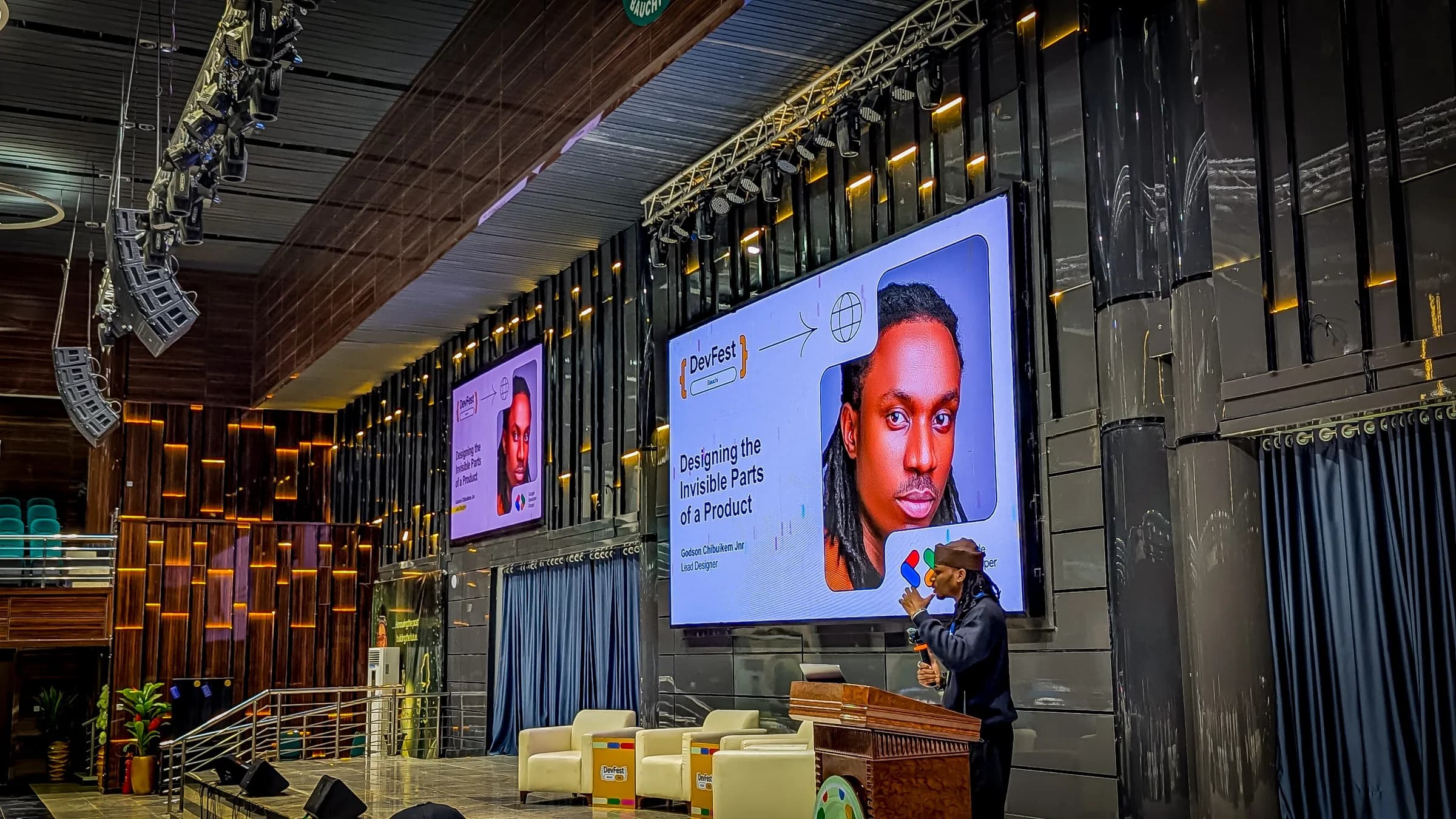
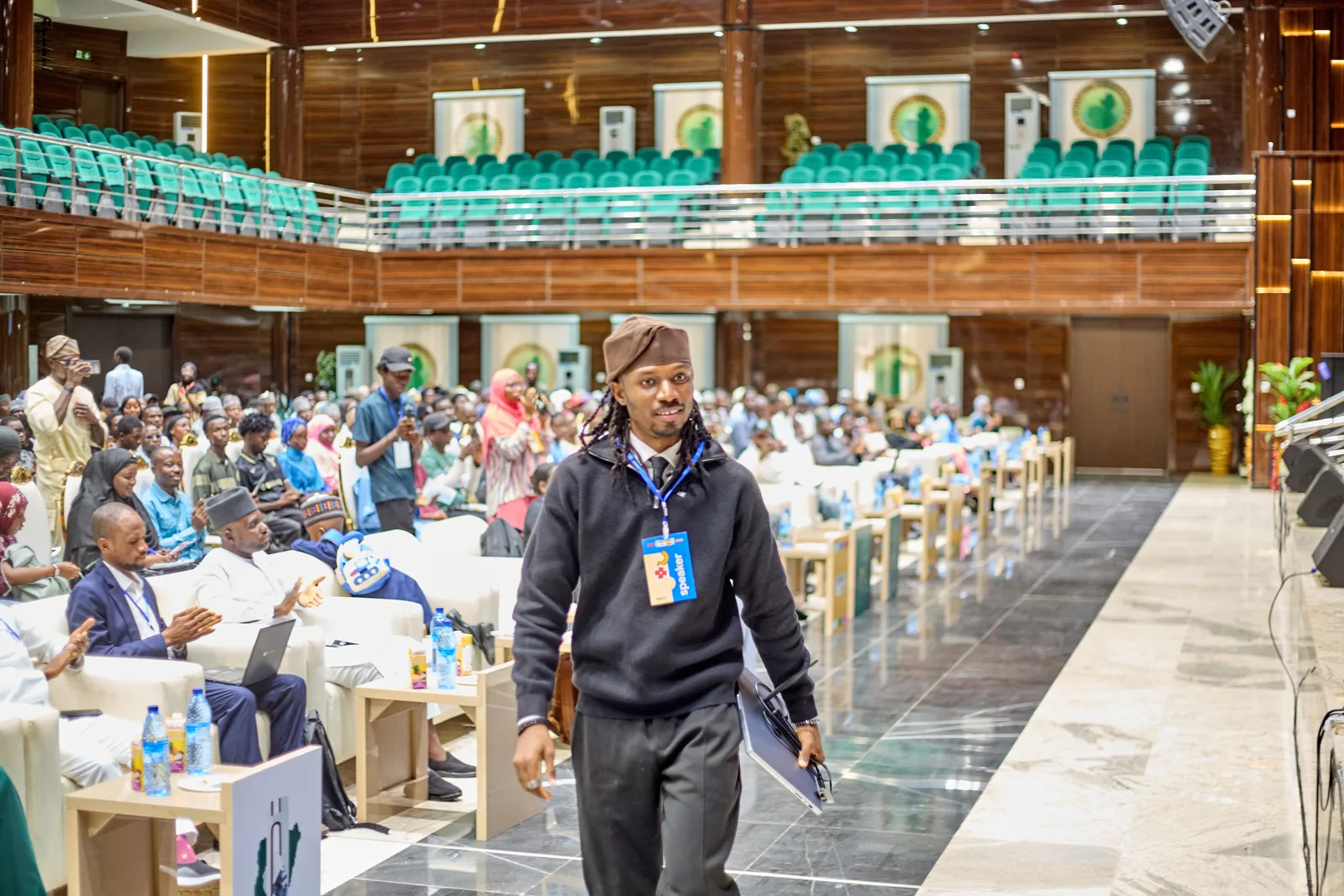
There's something different about standing on a stage in the city you grew up in. The faces look familiar even when they aren't. Somewhere in that room is a younger version of you, wondering how people end up doing this work.
Years ago, I was the person sitting in the audience, listening, learning, and trying to figure things out. This year, I got to stand on the other side of the room at DevFest Bauchi and share some of what I’ve learned along the way.
Most of us learn design through what we can see: screens, buttons, colours, prototypes. But the work that decides whether a product feels good often sits underneath. What happens while something loads? What if it fails? Who is allowed to do this? What does the user see when there's nothing there yet?
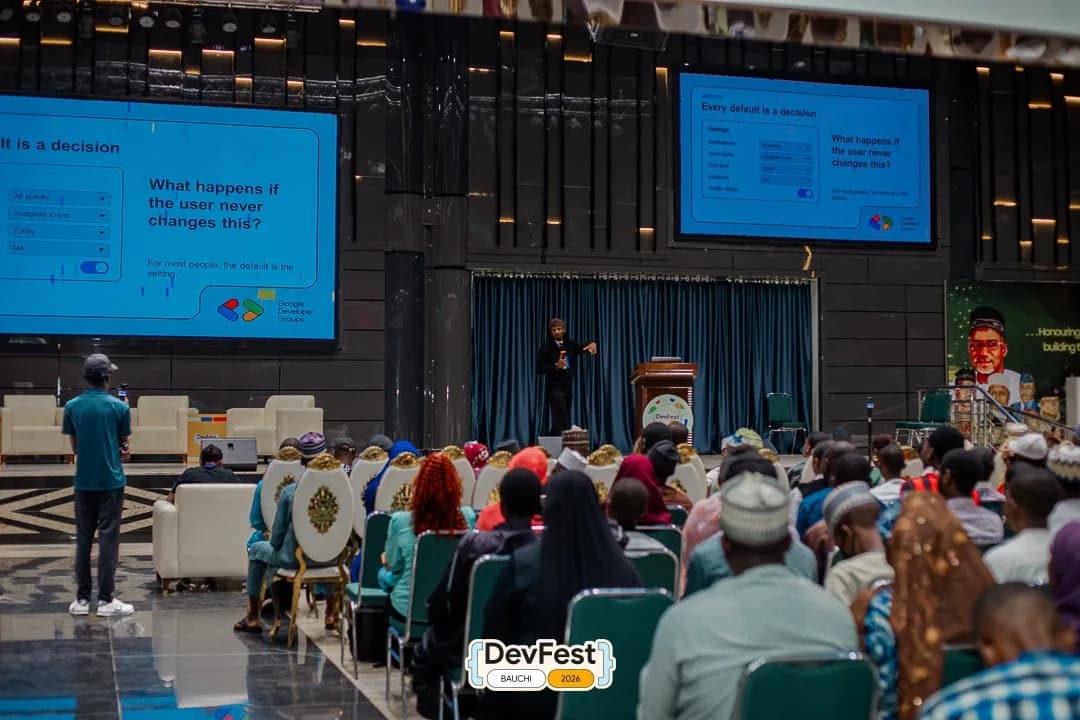
To make that real, I showed a simple form with one Submit button and asked the room: what happens after someone clicks this? On the next slide, the button changed to "Submitting…" and nine questions appeared around it. One small screen had become a whole system.
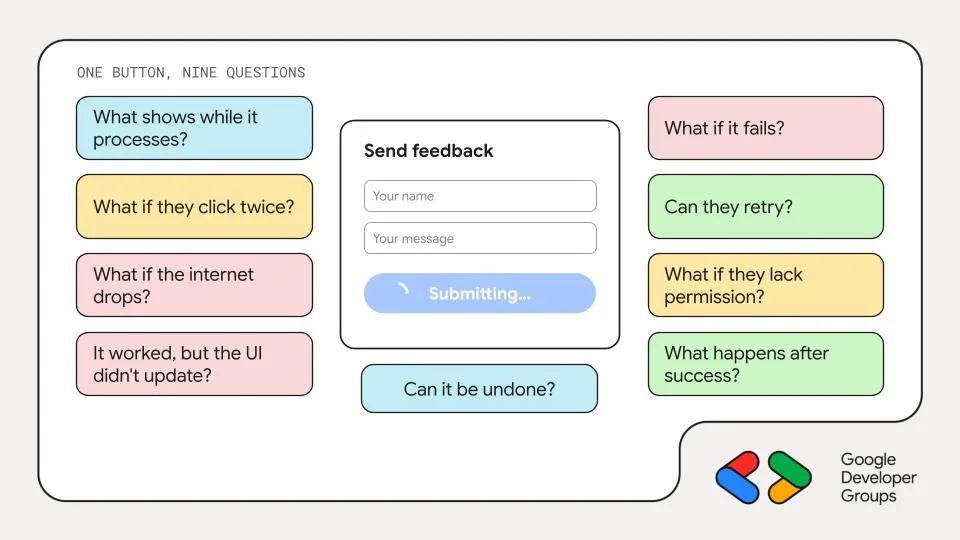
From there, we went through the invisible layers one by one: states, empty states, permissions, defaults, feedback, errors, edge cases, business rules, and how design and engineering should talk before handoff. I closed with eight simple checks anyone could use before calling a feature done.
I built the deck inside the official DevFest template and tried to make it feel like a designer made it. Instead of bullet points, most ideas became small interfaces: an empty screen before and after, an error message, a settings panel, a short chat between a designer and an engineer..
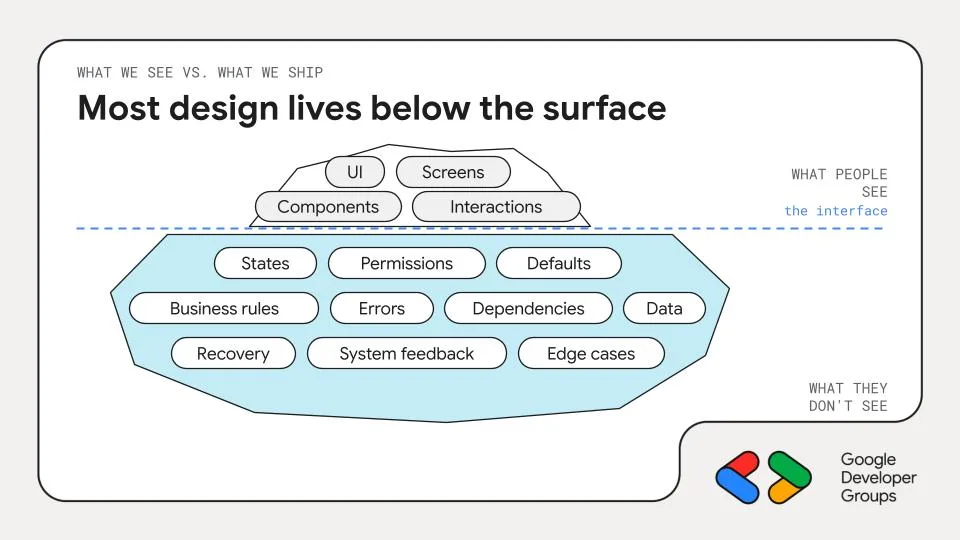
The audience was a real mix: designers, engineers, students, and people just finding their way into tech. I kept the slides light so we could have a conversation, and paused to ask questions along the way.
What Bauchi told me
The best part came after I stepped off stage. People came up with feedback, questions, and, more than anything, a wish to connect. Designers and engineers who didn't know each other existed, all in the same city.
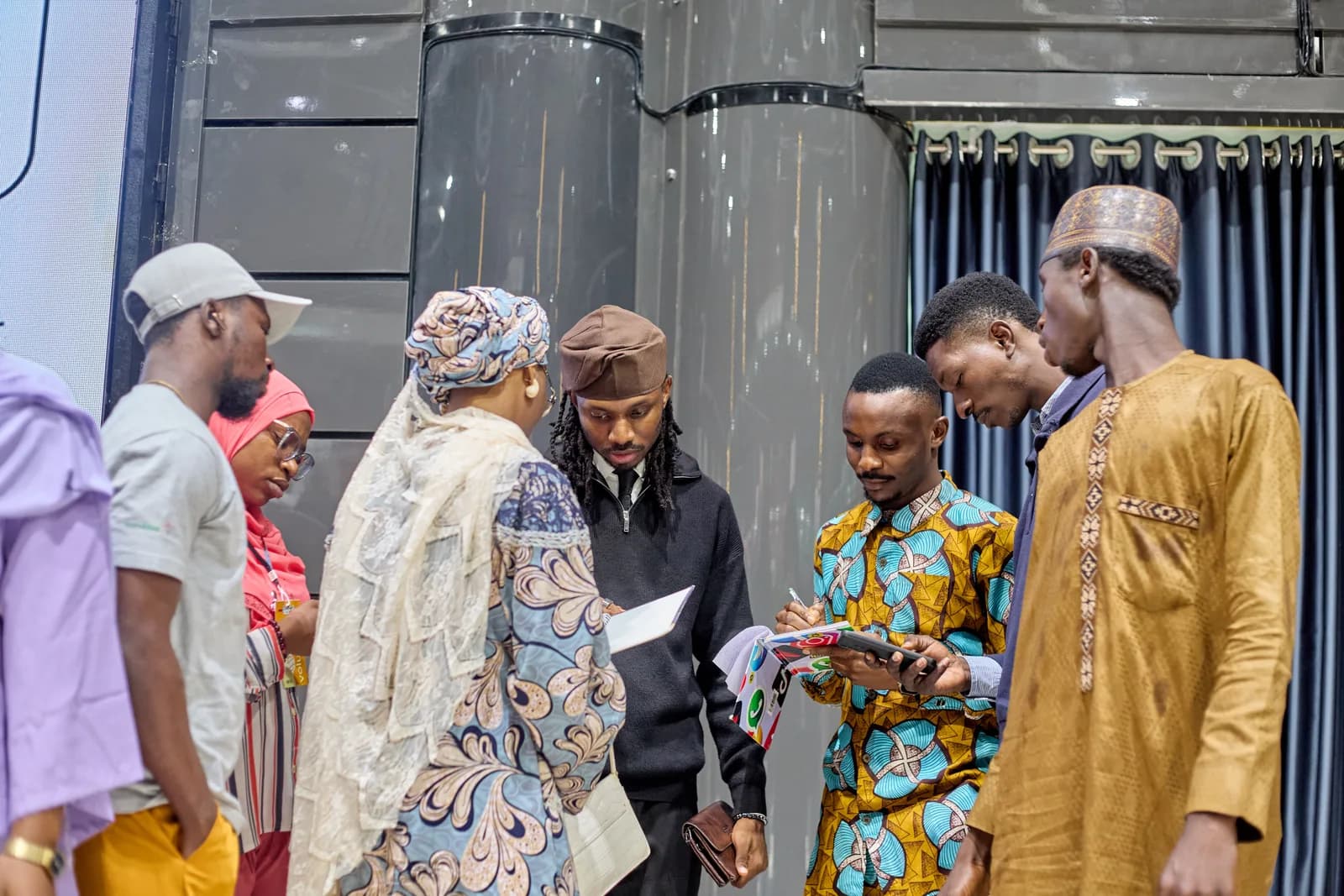
That told me something I'd felt for a while: it's high time to revive the design community in Bauchi. The talent is already here. So is the curiosity. What's missing is a place to meet, learn and grow together.
I came home to talk about the invisible parts of a product. I'm leaving with a bigger project: helping build a design community in the city that raised me. If you're in Bauchi and you design, build or are just starting out, let's connect.